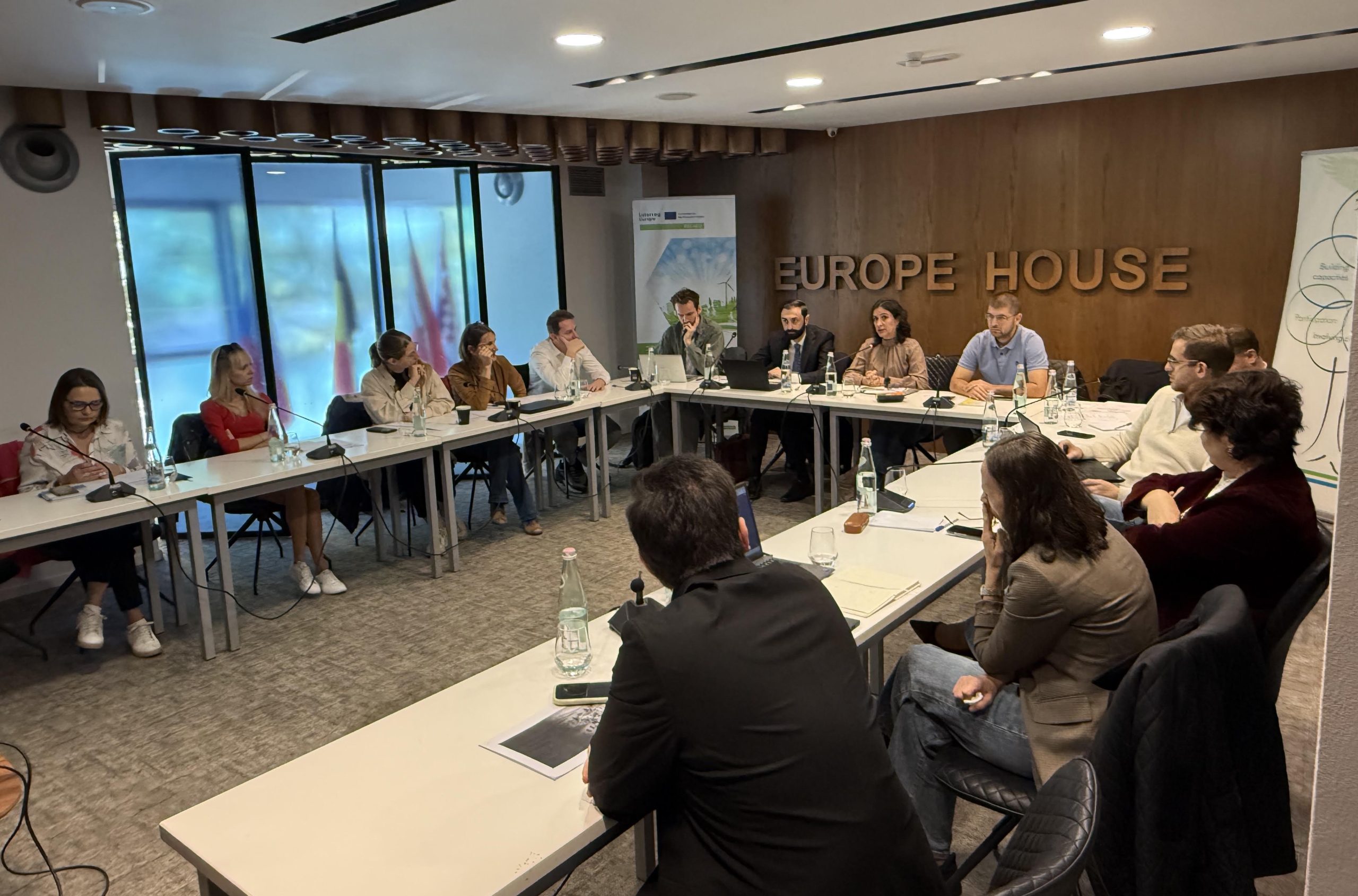
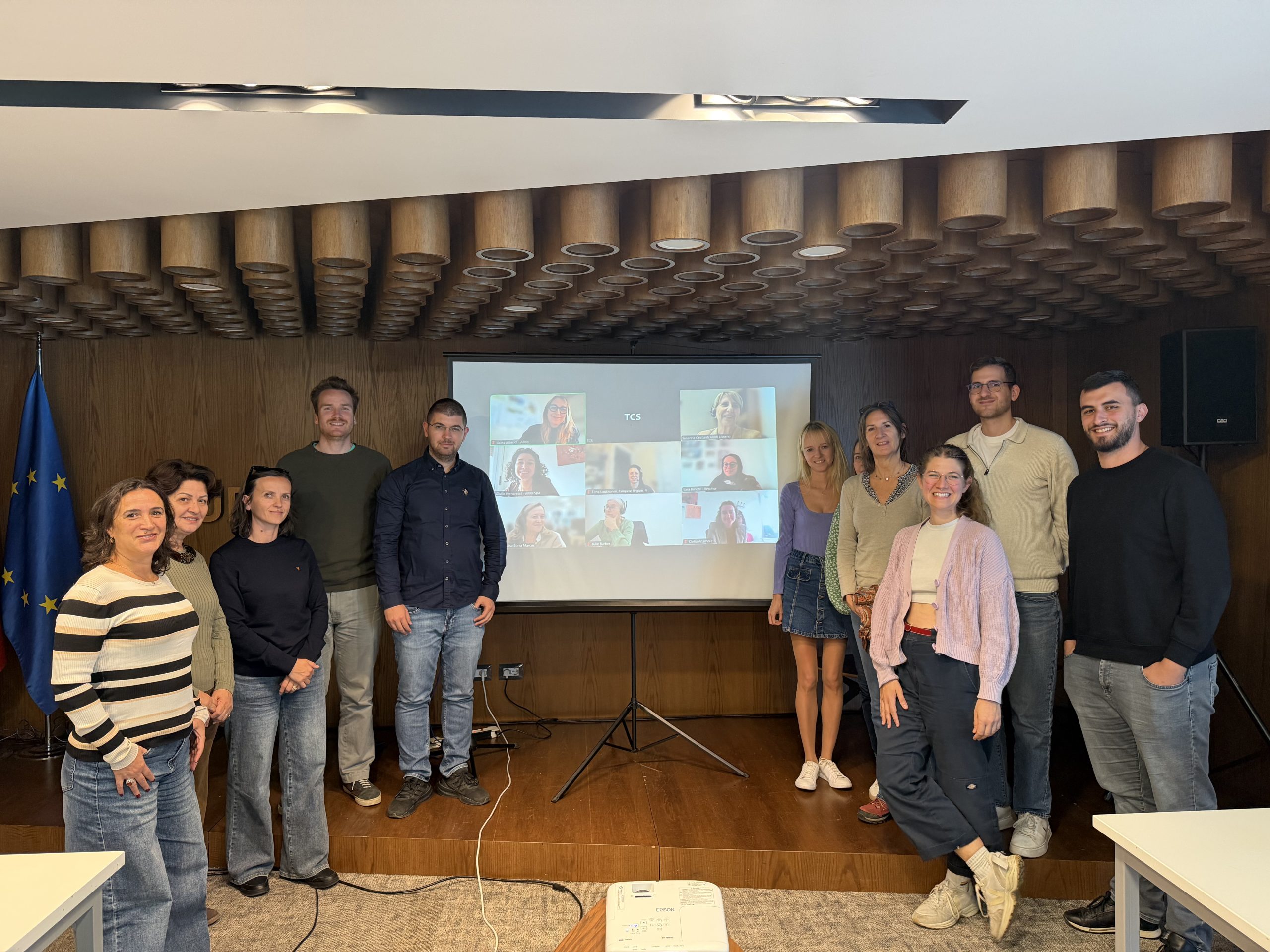
The REC4EU project partners gathered in Tirana, Albania, on 27–28 October 2026 for a two-day meeting focused on the development of Renewable Energy Communities (RECs), the exchange of European experiences, and the advancement of local pilot initiatives.The meeting brought together representatives of public institutions, municipalities, civil society organisations, and project partners to discuss the legal and regulatory framework for energy communities, explore practical experiences, and identify opportunities to strengthen local governance and citizen participation in the energy transition.
Day 1: Exploring the legal framework and local experiences
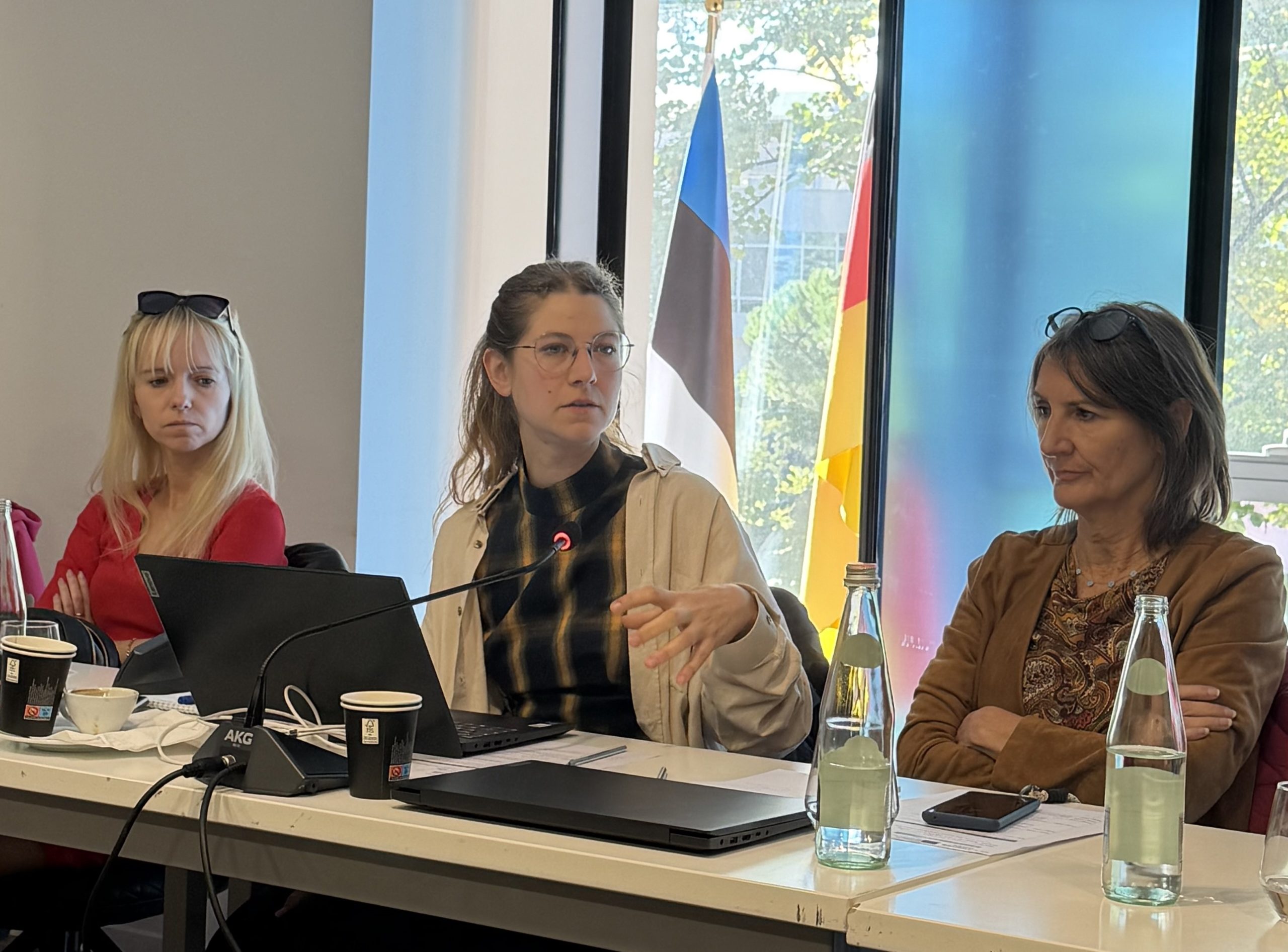
The first day opened with presentations on the current state of play of Renewable Energy Communities in Albania, focusing on the national legal and regulatory framework, recent policy developments, and opportunities for establishing and developing RECs. Representatives from the Ministry of Infrastructure and Energy and the Centre for Legal Empowerment (CLE) presented the existing framework and discussed the main legal gaps, challenges, and opportunities for further development. The immediate priorities are to complete and publish the final regulatory texts, put the sharing methodology into operation, and align the practical arrangements among communities, operators and suppliers. Public authorities also have a role in information, technical assistance and access to finance. These steps should give prospective members a clear route to participation and a reliable explanation of how their community will operate.
Participants exchanged views on how Albania can benefit from the experience of EU countries and adapt successful approaches to its national context. The discussion highlighted the importance of cooperation between public institutions, local authorities, civil society organisations, businesses, and citizens in creating effective and sustainable energy communities. Particular attention was given to citizen participation, access to public spaces and resources, financing opportunities, partnerships, and the integration of REC into local development plans.
The second session focused on local experiences and pilot initiatives in Albania. Two pilot initiatives were presented, showing a community-based renewable energy model in a rural area (farmers) and a multi-apartment residential building, aligned with Albania’s evolving legal framework. Participants discussed how these initiatives have been established, how local stakeholders have been involved, and the challenges and benefits encountered throughout the process.
Study Visit: Sunny Schools Initiative in Elbasan
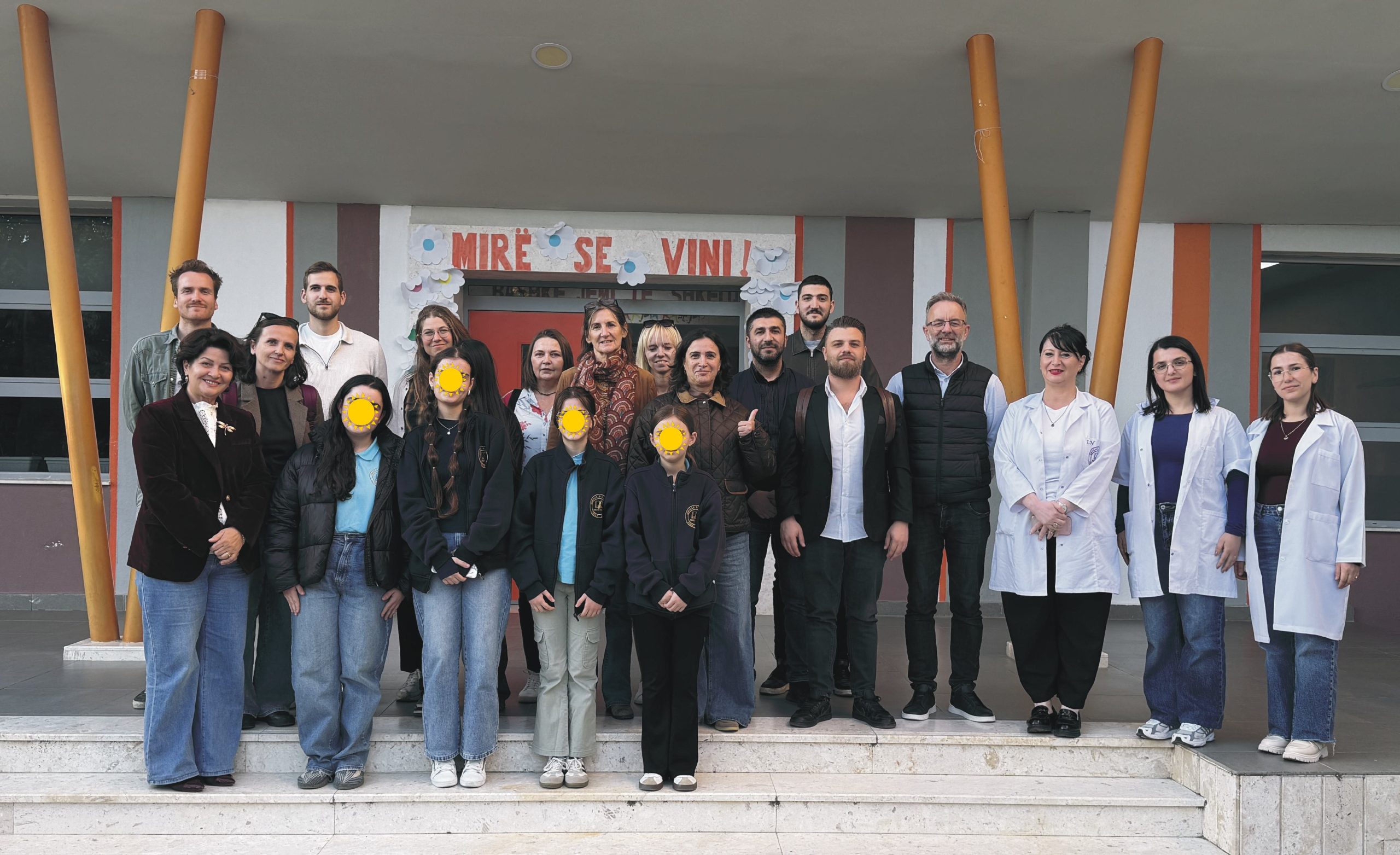
The afternoon programme included a study visit to Jorgji Dilo nine-year school in Elbasan, where participants learned about the Sunny Schools Initiative and its contribution to renewable energy production and community engagement.The visit brought together student representatives known as Energy Ambassadors, representatives of Elbasan Municipality, and local organisations (the Egyptian and Roman Youth Movement) involved in the initiative. Sunny Schools is a regional initiative led by the Open Society Foundations Western Balkans, active in 17 municipalities across Albania, Bosnia and Herzegovina, Kosovo, North Macedonia, and Serbia. It promotes the development of photovoltaic systems that benefit local communities and supports the creation of energy communities jointly managed by municipalities and schools.
The initiative demonstrates how schools and local authorities can work together to advance the energy transition, improve access to renewable energy, raise awareness of climate change, and encourage young people to become active participants in building a more sustainable future. The visit provided an opportunity to see how renewable energy investments can generate local benefits for the students and schools while fostering energy awareness, community ownership, and cooperation between public institutions and parents.
Day 2: Project progress, pilot actions and future cooperation
The second day focused on the implementation and management of the REC4EU project, with partners reviewing progress on SWOT analyses, discussing policy improvements, and preparing for the project’s final conference in Brussels. A dedicated session examined the status of pilot actions across the partnership, comparing planned activities with those already implemented. Partners shared experiences from their work with regional stakeholders, discussed implementation challenges, and presented results.
Strengthening the role of Renewable Energy Communities
REC offer an opportunity to move towards a more decentralised and participatory energy system. By enabling citizens, SME, and local authorities to collectively produce, share, and consume renewable energy, RECs can contribute to reducing energy costs, strengthening energy independence, and supporting the transition towards a low-carbon economy. However, establishing and managing these communities requires an enabling legal framework, appropriate financing mechanisms, strong local partnerships, and the capacity of public administrations to support stakeholders throughout the process.
Through the exchange of experiences and the development of regional support systems, REC4EU aims to strengthen public authorities’ capacity to support the creation and development of Renewable Energy Communities and improve the policy instruments that facilitate their uptake. The Tirana meeting reaffirmed the importance of cooperation between European partners and local stakeholders in translating policy objectives into practical solutions, ensuring that communities can actively participate in and benefit from the energy transition.
REC4EU is a territorial cooperation project, financed by Interreg Europe, that supports the development of Renewable Energy Communities by strengthening regional support systems, improving policy instruments, and enhancing the capacity of public administrations. Bringing together ten partners from nine EU countries, the project promotes knowledge exchange and cooperation between territories at different stages of renewable energy community development.